Share article
The Silent Architecture of Underdevelopment: A Stance Against Systemic Corruption
An Editorial by Lemuel Zerubbabel Baah
They told me: “Nothing Will Happen — Everybody Is Doing It.” This statement, a casual dismissal of integrity, has echoed in my experience as a contractor, encapsulating the pervasive challenge of systemic corruption.
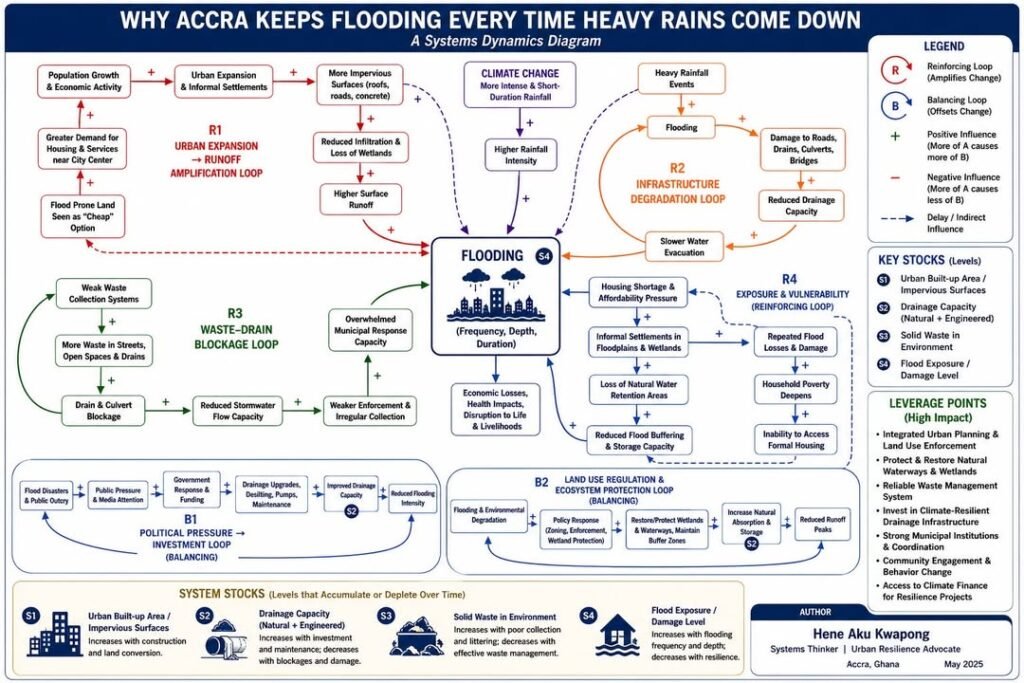
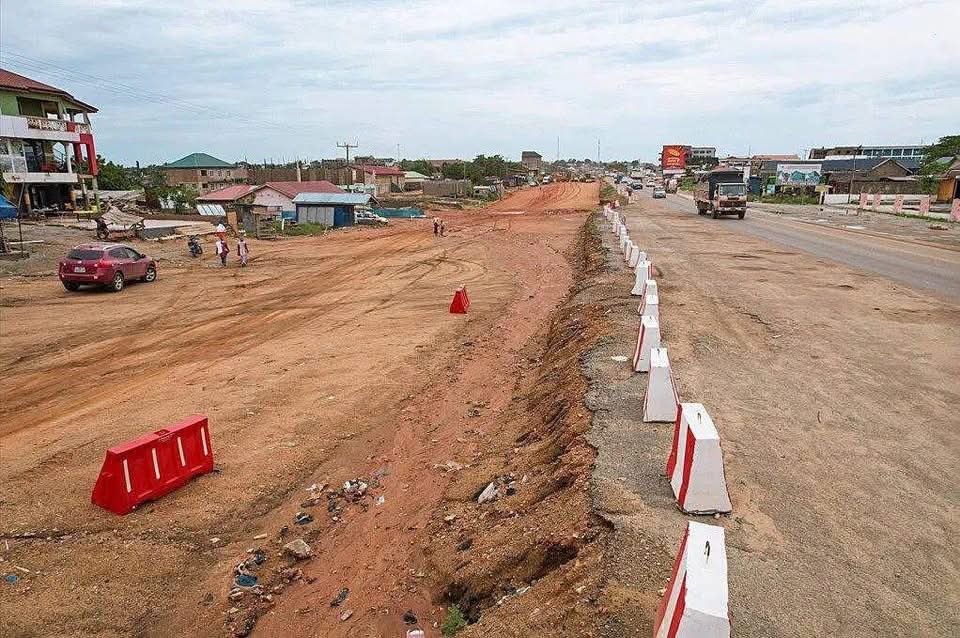
Over the years, I’ve walked away from contracts more than once — not because the work wasn’t there, but because of what was attached to it. One instance involved a drainage works project; another, a hospital. In both cases, the demand was explicit: an upfront payment of 10-20% before the contract could even commence. This wasn’t a bonus for delivery or a share of future profits, but a direct toll, exacted before a single shovel could break ground.
This insidious practice is, I believe, the true engine behind the multitude of unfinished projects in our nation. It’s not merely about phantom line items or padded budgets, although those issues certainly exist. It’s a more brutal reality: a significant portion of every project’s budget vanishes before any work begins, often leaving insufficient funds to complete the work as intended.
My refusal in both instances brought quiet yet effective retaliation. My certificate — the crucial document required to release payment for completed work — was effectively hijacked. For six months, I was met with a litany of excuses: the authorized signatory had traveled, was unavailable, or some other new, fabricated story each time. I understood precisely what was unfolding, especially when other contractors, those who had complied with the upfront payment, received their certificates and payments without delay. The message, though unspoken, was unmistakable.
Eventually, I threatened legal action. Their response has remained with me ever since: it would come to “nothing,” because “everybody is doing it.” There was no denial, no concern — just a shrug. This response highlighted the alarming normalcy of the practice, implying that no court, no institution, and no public outcry could possibly challenge it.
And this is the critical point often overlooked. This isn’t merely the fault of one corrupt minister or a single flawed administration. Many individuals perpetuating this system are civil servants, entrenched in their positions regardless of election outcomes. Governments change, manifestos evolve, and campaign promises shift. Yet, the expectation of a 10-20% upfront payment, and the silent punitive measures for non-compliance, remain constant. It stands as one of Ghana’s few truly non-partisan institutions, but regrettably, not one we should take pride in.
In one of those instances, I witnessed a competitor secure a project after bidding $5 million higher than our proposal. His success wasn’t due to a superior plan, but because he had contributed to the “right” campaign coffers. More recently, I’ve learned that this practice has escalated further: an acquaintance was offered a project conditional on an $8 million upfront payment, with the prospect of undertaking five such projects if he could raise $40 million upfront. Again, not as a percentage, not upon delivery, but simply to be granted permission to build something vital for Ghana’s needs.
This is the very architecture of underdevelopment, operating relentlessly, irrespective of which party holds power in Accra. It does not discriminate based on political affiliation before offering the illicit deal. It does not pause to consider party allegiances before allowing a drainage system to remain unbuilt, a hospital unequipped, or a diligent contractor’s payment to be withheld for six months over a manufactured excuse.
Beyond the financial cost, there’s a profound human cost: it indoctrinates an entire generation to believe that merit is secondary, that integrity carries a penalty, and that impassioned anti-corruption rhetoric from any political platform means little if the underlying civil service culture remains unchanged. Such repeated experiences erode not just a few contracts, but the fundamental belief that doing things correctly matters at all — a belief far more challenging to reconstruct than any physical infrastructure.
We often wait for a singular, dramatic scandal to awaken the nation. But scandals, by their nature, fade. What endures is a culture — quiet, procedural, almost mundane in its normalized existence — where declining corruption is seen as an anomaly, and “everybody is doing it” is accepted as a legitimate justification.
I said “no” more than once. The consequence was six months of engineered delays and a lawsuit threat that, I was told, would ultimately change nothing. Others are making the same choice today, sacrificing potential $40 million contracts to uphold their conscience. I would undoubtedly say “no” again.
The question is not whether corruption exists in Ghana; its presence is a widely acknowledged reality.
The true question is: how many of us are prepared to incur a personal cost to starve this corruption, even when assured that our individual actions will ultimately change nothing?